
GLP1 Patches FAQ (Plain-Language Answers)
GLP1 patch questions can get complicated fast. This FAQ keeps things simple and focuses on what most people actually want to know: what these patches are, how they compare to prescription GLP-1 medications, how to use them, and where they fit in a bigger plan with a clinician.
- Short, direct answers about GLP1 patches.
- Clear lines between patches and GLP-1 medications.
- Links to deeper guides when you want more detail.
GLP1 patches on this site are non-prescription products. They are not the same as GLP-1 medications and are not a replacement for professional medical care. Any treatment decisions belong with your own clinician.
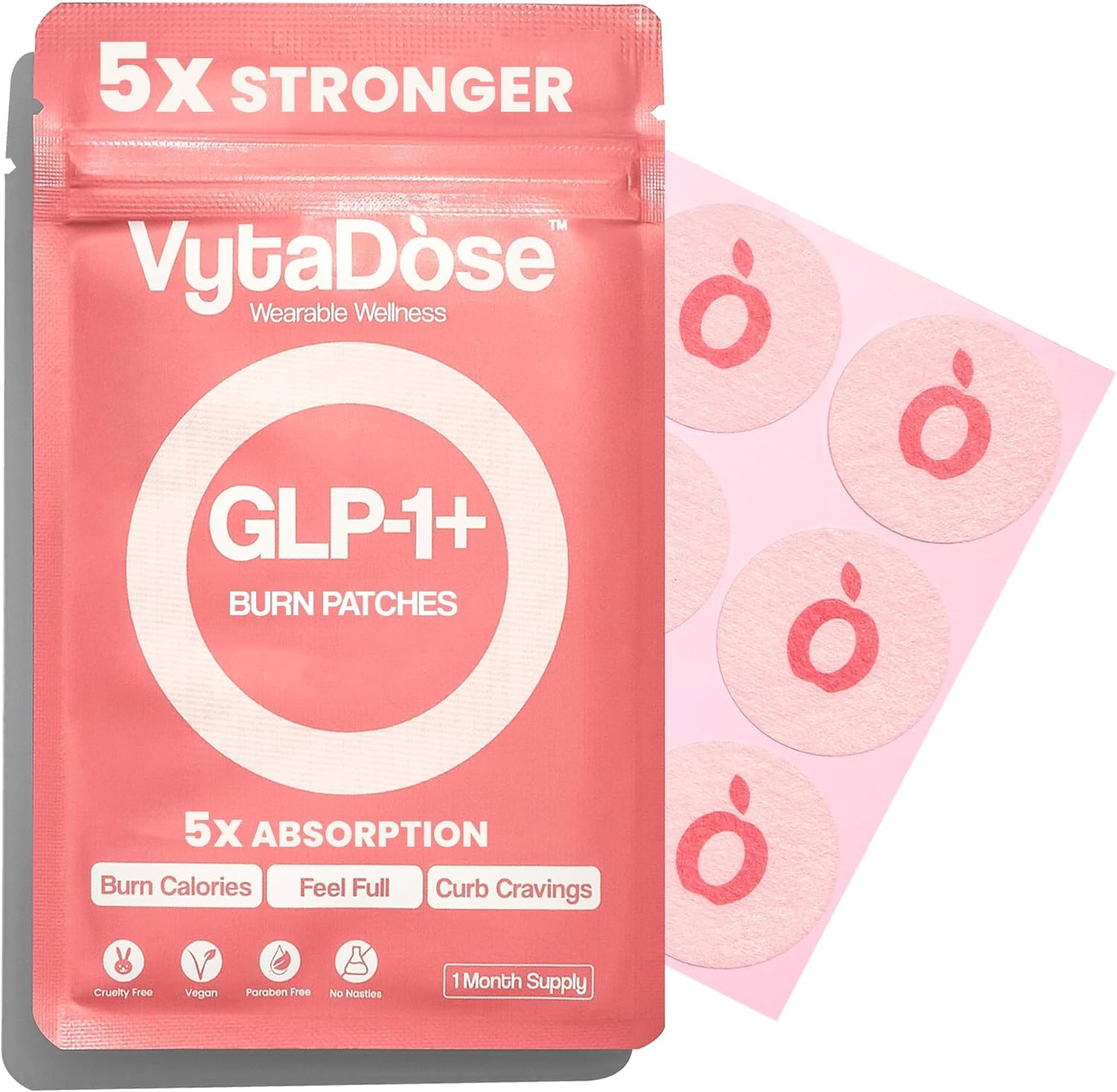
Many shoppers land on a GLP1 patches FAQ page because they are trying to make sense of all the names, claims, and product options. The questions below focus on real-life use: how GLP1 patches differ from prescription GLP-1 medications, how people usually wear them, and what role a clinician still plays in the bigger picture.
General GLP1 Patch Questions
What are GLP1 patches?
GLP1 patches are non-prescription patch products that use GLP-1 themed branding and are usually sold online as part of a wellness routine. They are not the same as prescription GLP-1 injections. Most people treat them as one small piece of a broader plan that also includes food, movement, sleep, and conversations with a professional.
Are GLP1 patches the same as Ozempic or other GLP-1 drugs?
No. Prescription GLP-1 medications such as Ozempic or Wegovy are medical treatments that require a prescription, monitoring, and lab work. GLP1 patches sold online are marketplace products. They do not replace prescription drugs or medical care, even if the names sound similar.
For a deeper comparison, see GLP1 patches vs injections.
Where do GLP1 patches fit in a wellness routine?
Many people use GLP1 patches as an anchor habit — one small action they do daily that reminds them to stay connected to their bigger goals. Patches are not the whole plan. They usually sit alongside nutrition, movement, sleep, and mental health support. Any major changes or medical decisions should still be guided by a clinician.
Using GLP1 Patches Day to Day
How do you use GLP1 patches?
Most brands suggest applying a patch to clean, dry skin on areas like the upper arm, shoulder, or torso. Patches are typically worn for a set number of hours or a full day before being removed and replaced. Always follow the exact directions on the box for the brand you’re using.
For a step-by-step walkthrough, see How to use GLP1 patches.
Can you shower or work out while wearing a GLP1 patch?
Many GLP1 patch products are designed to stay on through normal daily activities, including showers and light exercise. That said, people often try to avoid heavy scrubbing, very hot water, or tight clothing rubbing against the patch. The safest approach is to follow the instructions from the specific brand you’re using.
Where on the body should a GLP1 patch go?
Common placement spots include the upper arm, shoulder area, upper back, or torso—places where the patch won’t be constantly rubbed by clothing or waistbands. Most brands recommend rotating spots instead of putting a patch in the exact same place every time.
Safety, Side Effects & When to Stop
Do GLP1 patches have side effects?
Because GLP1 patches are non-prescription wellness products, many brands focus on gentle ingredient lists. Even so, some people notice redness, itching, or irritation where any adhesive sits on the skin. If a patch area looks angry, hurts, or concerns you, the simple move is to stop using it and talk with a professional.
For a calmer overview, read the GLP-1 patch side effects & safety guide.
Who should be extra cautious with GLP1 patches?
Anyone with very sensitive skin, a history of reactions to adhesives, or multiple medications should move slowly and loop in a clinician before trying new products. It’s also smart to be cautious if you’re pregnant, breastfeeding, or managing complex health conditions. When in doubt, check in with a professional before adding anything new.
When should I stop using a GLP1 patch and call someone?
If you notice intense irritation, unusual symptoms, or anything that simply feels wrong, stop using the patch. For urgent or worrying issues, seek care right away. No off-the-shelf product is worth pushing through something your body clearly doesn’t like.
Comparisons, Expectations & Where to Start
Can GLP1 patches replace GLP-1 prescription medications?
No. GLP1 patches and GLP-1 injections live in different categories. Prescriptions involve dosing, lab work, and close monitoring. GLP1 patches are marketplace products. A clinician who knows your history is the only one who can say whether GLP-1 medications, patches, both, or neither belong in your plan.
How do GLP1 patches compare to GLP-1 injections?
Injections run through medical systems, while patches are self-directed purchases. The comparison is less about which is “better” and more about which category fits your goals, safety needs, and access. Many people explore information on both before deciding what to discuss more deeply with a clinician.
For more detail, visit the GLP1 patches vs injections page.
Which GLP1 patch should I research first?
A lot of people start by picking one main GLP1 patch brand and learning that product well before comparing it to a second option. On this site, we use VytaDose as our main example because it makes the idea of “a GLP1 patch box” easy to picture.
To see several boxes side by side, check the best GLP1 patches 2025 comparison guide.
Bottom line: GLP1 patches raise a lot of questions, and that’s normal. Use this FAQ as a starting point, then keep building a plan with a clinician who can help you decide where, or if, GLP1 patches belong in your bigger picture.
See best GLP1 patches compared