
Safety Guide · GLP1Patches.org
GLP1 Patch Side Effects & Safety: What to Know Before You Try
glp1 patch side effects are an important topic to understand if you’re curious about GLP1 support patches. Even though these products are over-the-counter wellness patches and not prescription GLP-1 drugs, they can still cause skin reactions, discomfort, or other issues for some people. This guide walks through possible side effects, safety tips, and when to stop using a patch and talk with a healthcare professional.*
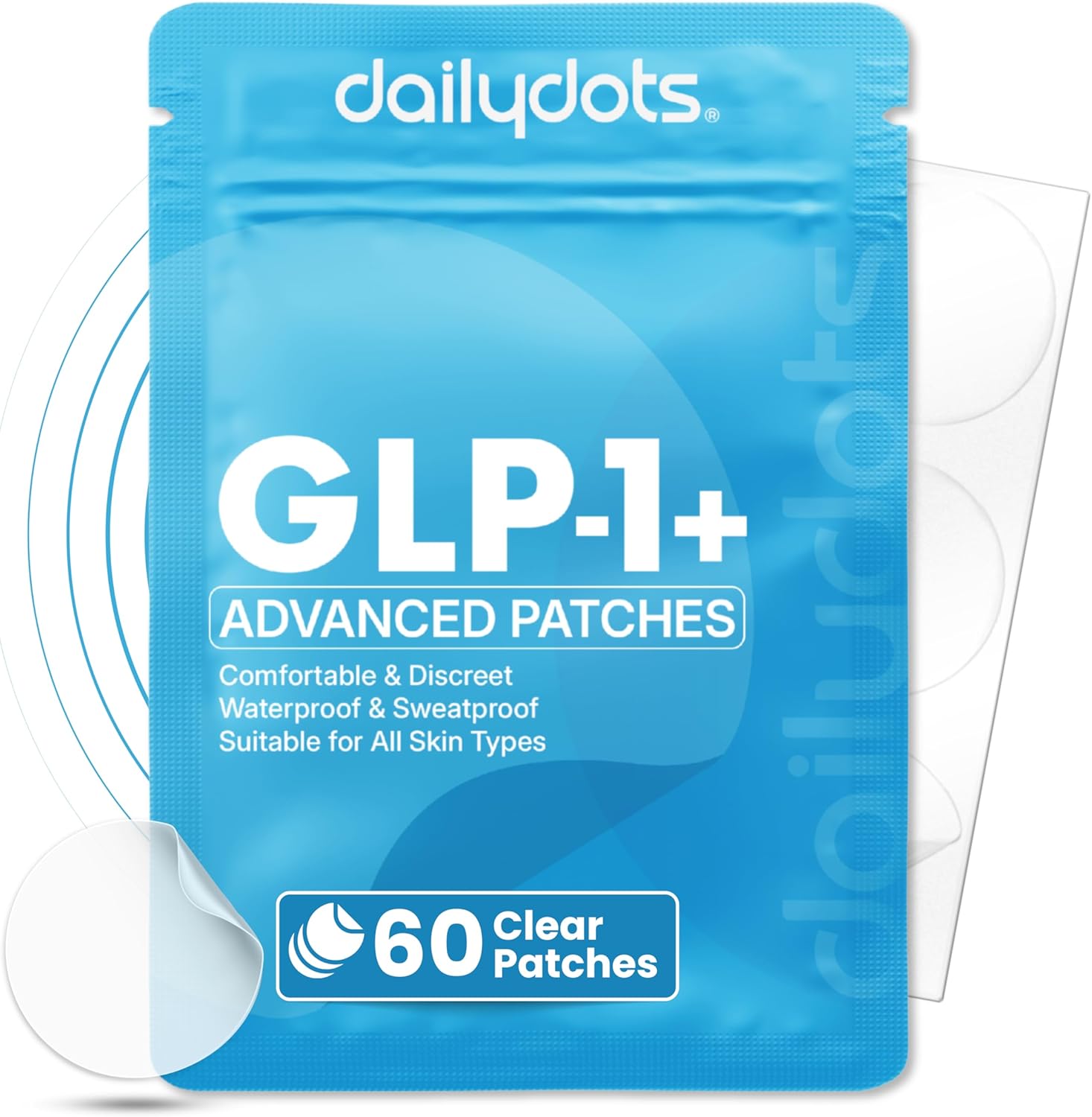
Table of Contents
Quick Overview: Are GLP1 Patches Safe?
GLP1 patches are marketed as wellness products, not prescription medications. That usually means they use non-prescription ingredients such as vitamins, minerals, botanical extracts, or energy-support compounds. Most people will tolerate them reasonably well, but “over-the-counter” does not automatically mean “risk-free.”*
When people talk about glp1 patch side effects, they are usually referring to things like:
- Redness or irritation where the patch sticks to the skin
- Itching or minor rash around the edges of the patch
- Feeling jittery or wired if the formula contains stimulants
- Upset stomach in sensitive individuals, depending on ingredients*
If you want a quick refresher on what these products are (and are not), you can also read: What Are GLP1 Patches?
Common GLP1 Patch Side Effects People Report
Most side effects of GLP1 support patches are local skin issues or mild, temporary symptoms tied to the ingredients used. Experiences vary a lot from person to person, but some of the most commonly reported glp1 patch side effects include:
- Redness or mild swelling where the patch was applied
- Itching during or after wearing the patch
- Dryness or flaking after removing the patch adhesive
- Warmth or mild burning sensation right under the patch for a short time*
Some formulas may also cause whole-body effects in sensitive users, especially if they include caffeine, green tea extracts, or other stimulatory ingredients. In those cases, people sometimes notice:
- Feeling more wired or restless than usual
- Occasional headaches
- Mild nausea or “off” stomach feelings*
Skin Reactions & Adhesive Issues
Because glp1 patches sit directly on your skin for hours at a time, adhesive reactions are one of the most important safety topics. A little bit of light redness right after removing a patch can be normal for some people. However, certain signs are red flags that the patch or adhesive may not be right for you:
- Redness that spreads or keeps getting darker
- Raised bumps, hives, or blisters under or around the patch
- Intense itching that doesn’t calm down after removal
- Broken skin, open sores, or oozing*
If any of these happen, it’s usually a good idea to stop using that glp1 patch and let the skin fully heal. In more serious cases, or if you have a history of allergies, a quick conversation with a healthcare provider or dermatologist is smart.
Who Should Be Extra Cautious With GLP1 Patches
Because these products are marketed without a prescription, people sometimes assume anyone can use them. In reality, certain groups should approach glp1 patches more carefully, or avoid them altogether unless a healthcare professional gives the okay:
- People with a history of severe skin allergies or adhesive reactions
- Anyone with chronic skin conditions at the application site (eczema, psoriasis, etc.)
- Those who are pregnant, breastfeeding, or trying to conceive*
- People taking multiple medications or managing complex medical conditions
Even though glp1 patches don’t contain semaglutide or tirzepatide, the ingredients still need to be considered in the context of the rest of your health picture.
When to Stop Using a GLP1 Patch and Talk to a Professional
If you ever feel genuinely worried about how you’re reacting to a GLP1 support patch, trust that instinct. It’s better to be cautious than to push through “just to see what happens.” Stop using the product and talk with a healthcare professional if you notice:
- Severe or spreading rash, blistering, or intense itching
- Shortness of breath, swelling of the face or lips, or any signs of a serious allergic reaction
- Ongoing headaches, dizziness, or heart palpitations
- Any symptom that feels scary, out of character, or keeps getting worse*
Bring the product packaging with you if you can, so your provider can see the full ingredient list.
Tips to Use GLP1 Patches More Safely
If you decide to try a GLP1 patch, a few simple steps can lower your chances of side effects and make the experience smoother overall:
- Patch test first. Try a shorter wear time on a small area of skin before committing to full use.
- Apply to clean, dry skin. Avoid lotions, oils, or broken skin at the application site.
- Rotate locations. Don’t always put the patch in the exact same spot day after day.
- Follow the label. Respect the recommended wear time and don’t stack multiple patches unless the instructions specifically say to.*
- Track how you feel. Keep an eye on skin changes, energy, sleep, and how your overall routine is going.
If you mainly want to compare brands rather than focus on side effects, you can see a quick overview here: Best GLP1 Patches in 2025.
General background on GLP-1 medications and safety: NIH GLP-1 Overview
Frequently Asked Questions About GLP1 Patch Side Effects
Do GLP1 patches have the same side effects as GLP-1 injections?
No. GLP1 patches do not contain semaglutide, tirzepatide, or other prescription GLP-1 drugs, so they do not share the same medication side-effect profile. Most glp1 patch side effects are related to skin irritation or sensitivity to non-prescription ingredients.*
Is redness under a GLP1 patch normal?
Mild, temporary redness right after removing a patch can happen for some people. Spreading redness, blistering, or intense itching is not normal and is a good reason to stop using that product and talk with a professional.*
Can I use GLP1 patches if I’m on prescription GLP-1 medication?
That’s a question for your prescribing clinician. Because everyone’s medical situation is different, it’s safest to ask before layering new wellness products on top of a prescription plan.