GLP-1 Patches vs Injections: What’s the Real Difference?
People searching for glp-1 patches vs injections are usually trying to answer one practical question: “Are marketplace patch products basically the same as prescription GLP-1 shots?” They’re not the same category — and understanding the difference helps keep expectations grounded.
- How access works (online purchase vs clinician-prescribed).
- How oversight differs (self-directed vs medically supervised).
- How to compare claims, ingredients, and routines without mixing categories.
Informational only. Prescription GLP-1 medications require a licensed prescriber. GLP-1 patch products are non-prescription marketplace items.
This page explains glp-1 patches vs injections in plain language so you can compare access, expectations, and the type of support that usually comes with each option. In short: patches are sold like wellness products, while injections are prescribed and monitored by clinicians.
For general background on prescription medications, see FDA drug information.
glp-1 patches vs injections: The Big Picture Differences
The fastest way to understand glp-1 patches vs injections is to compare the systems around them. One option is typically purchased online without a prescription. The other is prescribed inside a clinical relationship with specific rules around screening, dosing, and follow-up. Even if marketing language overlaps, the frameworks do not.
GLP-1 patches (non-prescription)
- Usually bought online like other wellness products.
- Ingredient lists read more like supplements than medications.
- Oversight is self-directed unless you involve a clinician.
- Most “tracking” is about skin comfort, routine, and how you feel.
GLP-1 injections (prescription)
- Require a licensed prescriber and a plan.
- Monitoring and follow-up are built into the process.
- Clear prescribing information and dosing protocols.
- Side effects and red flags are addressed in a structured way.
Why People Mix Up glp-1 patches vs injections
The confusion usually comes from branding. Patch listings often borrow clinical-sounding phrases, and the letters “GLP-1” feel medical. But the letters on a box don’t automatically mean a product is a regulated medication. This section helps you spot the common “category mix-ups” so you can compare more realistically.
In the real world, “GLP-1” on packaging can be marketing language. Prescription GLP-1 medications come with a prescriber, dosing rules, and formal drug information. Marketplace patches don’t operate inside that same framework.
“Non-prescription” doesn’t automatically mean “risk-free.” People can still have skin irritation, sensitivities, or issues with ingredient blends. Safety often improves when you loop a clinician in — especially if you already take other medications.
Trying a patch can be a personal experiment, but it’s not the same as medically supervised care. It’s okay to explore, but it helps to keep “patch experiment” and “prescription plan” in separate boxes mentally.
Oversight & Routine: Where glp-1 patches vs injections really diverge
Another way to compare glp-1 patches vs injections is to ask: “Who is helping me adjust, interpret, and stay safe?” With injections, oversight is built in. With patches, oversight is optional — which can be fine, but it changes how you evaluate outcomes.
With injections
- Eligibility, risks, and expectations are discussed upfront.
- Follow-up helps interpret side effects and progress.
- Dosing changes happen with a plan, not guesswork.
- There’s a pathway for questions and red flags.
With patches
- Most people self-start and self-evaluate.
- Progress tracking is usually informal and routine-based.
- Stopping is easy — but so is “chasing” products.
- It’s smartest when a clinician is still in the loop.
DailyDots in the glp-1 patches vs injections conversation
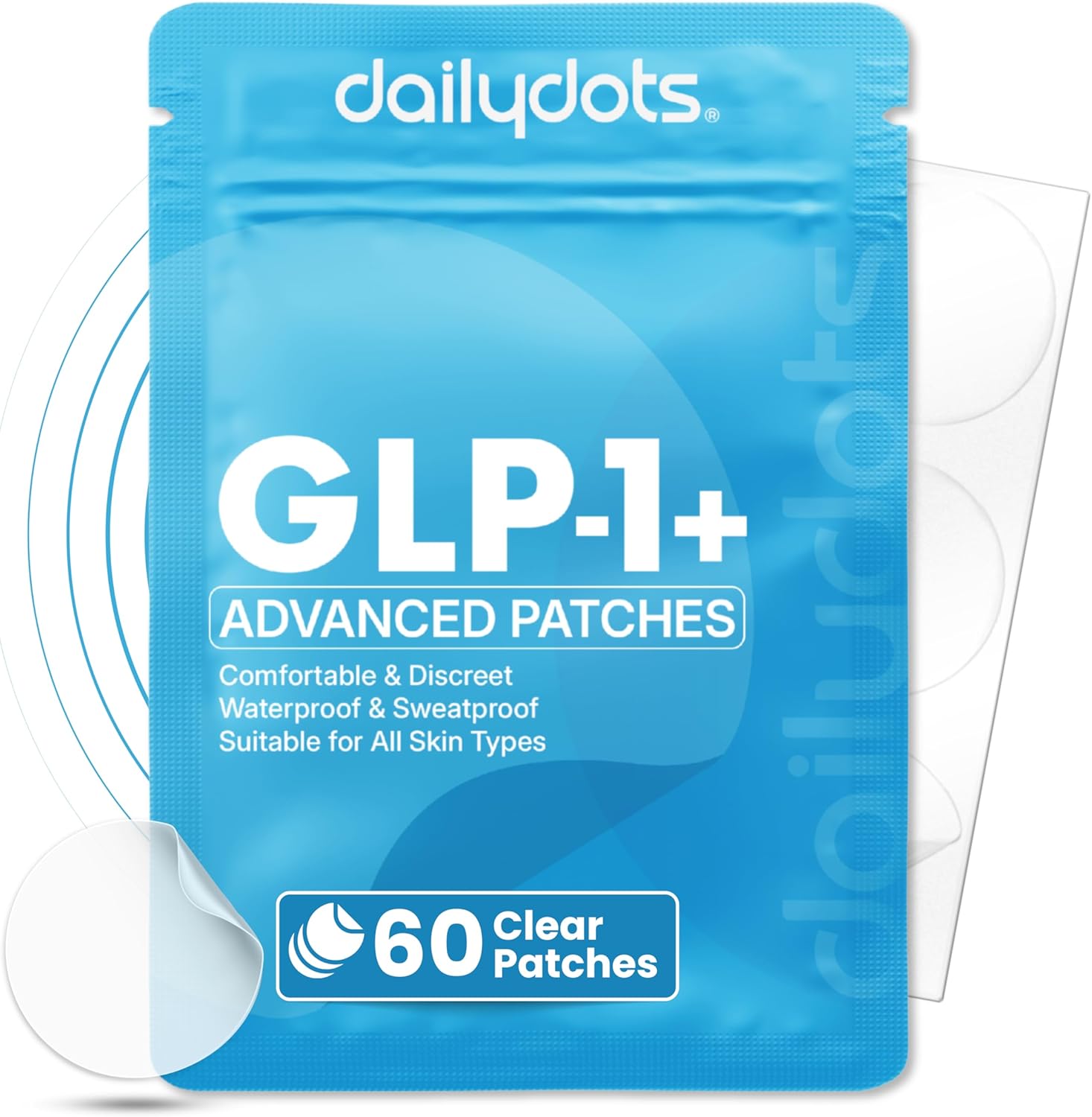
DailyDots is included here as a concrete example of what a marketplace GLP-1 patch product looks like. Seeing packaging, sizing, and “routine” language can make glp-1 patches vs injections easier to understand without assuming the patch is a substitute for a prescription plan.
DailyDots helps anchor the “patch” side of the comparison. It shows how these products are presented: marketplace purchase, routine-style instructions, and wellness positioning. It does not replace prescription injections, but it’s a useful example for people trying to understand what they’re actually seeing online.
- Good for visualizing what a GLP-1 patch product is.
- Helps compare packaging and claims to other patch brands.
- Useful when you want “patch context” without mixing it up with meds.
Questions to ask when comparing glp-1 patches vs injections
Instead of asking “Which one is better for everyone?”, the more useful question is “Which one fits my situation and support system?” These prompts help you compare glp-1 patches vs injections in a grounded, real-world way.
If you’re considering injections
- Am I eligible, and do I understand the monitoring requirements?
- Do I have a plan for follow-ups, side effects, and adjustments?
- What does cost/access look like for my situation?
- How will this interact with my current medications and conditions?
If you’re considering patches
- Am I treating this as a small experiment, not a medical substitute?
- Can I realistically wear a patch as directed and track how I respond?
- Do I understand the ingredients and what claims are realistic?
- Do I have a clinician I can loop in if something feels off?
Quick FAQ: glp-1 patches vs injections
Can GLP-1 patches replace GLP-1 injections?
No. Marketplace patches and prescription injections are different categories. Patches are non-prescription products sold online, while injections are prescription medications with dosing and monitoring managed by clinicians.
Why do patch listings use GLP-1 language?
Many products use familiar terms because that’s what shoppers search for. That doesn’t mean the patch contains prescription medications. Always read ingredient lists and keep expectations realistic.
Should I talk to a clinician even if I only use patches?
It’s safer to have professional guidance, especially if you take other medications or have health conditions. Even with non-prescription products, a clinician can help you interpret changes and identify red flags.
Where should I go next on this site?
If you want the patch side of the world, read how to use GLP-1 patches. If you want safety context, see GLP-1 patch side effects.
Bottom line: glp-1 patches vs injections is not a format choice inside the same product line. Patches like DailyDots live in the marketplace wellness space; injections live in supervised medical care. The best plan is the one built with clear expectations and a clinician who can help you decide where, or if, either option fits.