
How to Use GLP-1 Patches (Placement, Timing & Routine)
If your focus keyword is how to use GLP-1 patches, this is the practical version: where they go, when to apply them, how to rotate spots, and how to keep the routine simple enough to actually follow.
- Common placement spots (and friction zones to avoid).
- A calm once-a-day routine you can repeat without overthinking.
- What to track so your check-ins with a clinician are useful.
This page covers non-prescription GLP1 patch products. It’s general information, not medical advice, and it does not replace instructions for prescription GLP-1 medications.
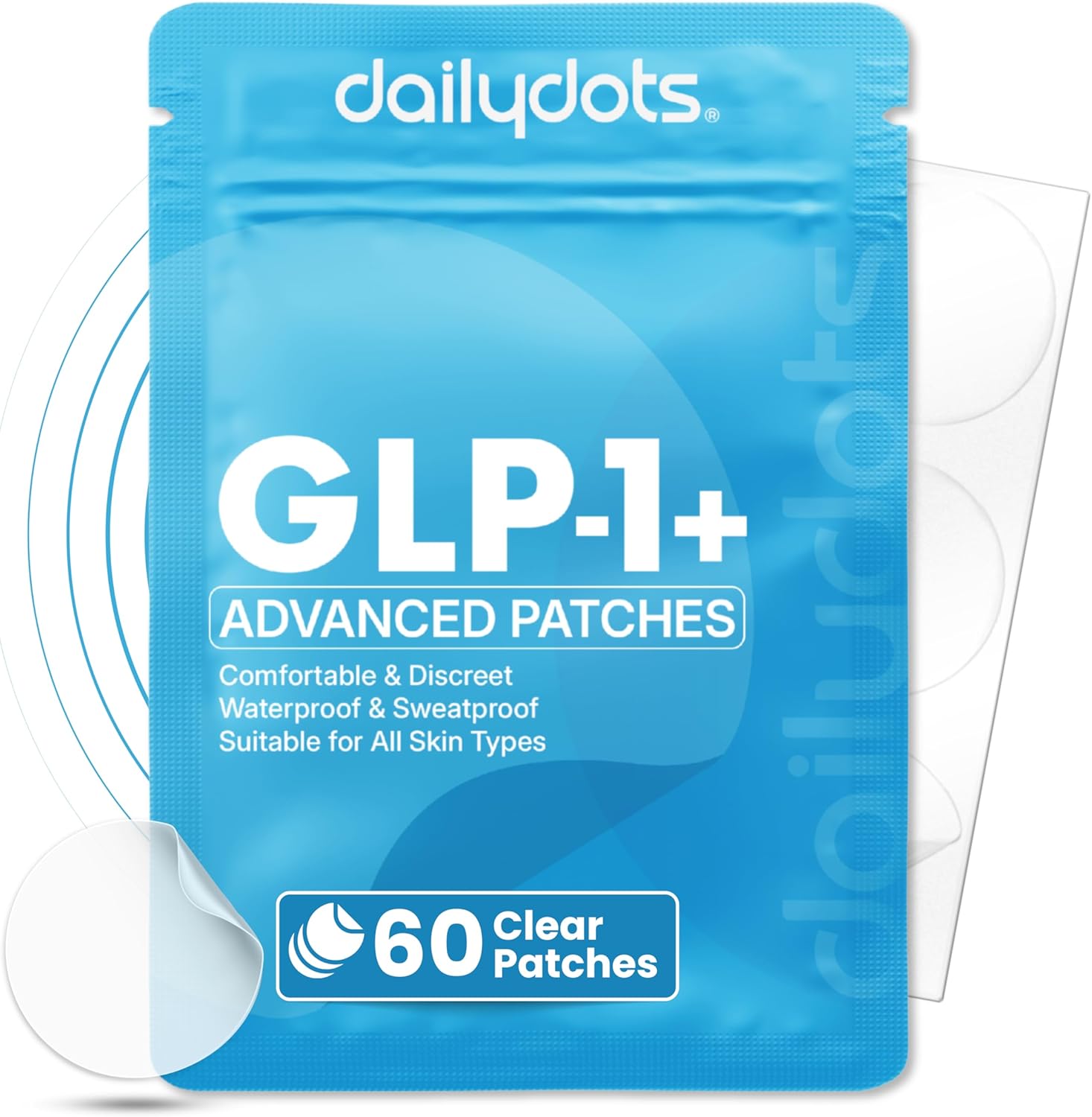
How to use GLP-1 patches usually comes down to four basics: (1) clean, dry skin, (2) a flat placement spot with low friction, (3) a consistent wear window, and (4) rotating sites so the same area doesn’t get irritated. Below is a step-by-step routine that works for most marketplace GLP1 patch products.
For general background on prescription GLP-1 drugs (not patches), you can review FDA drug information on GLP-1 medications here: FDA Drugs information.
How to Use GLP-1 Patches: Placement Basics
Most brands differ on exact wear time, but placement rules are similar: choose clean, calm skin on a relatively flat area that won’t rub constantly under clothing. If you only remember one thing about how to use GLP-1 patches, remember this: friction and moisture are the #1 reasons patches peel early.
Common placement spots
- Upper arm (outside/back of the arm).
- Upper shoulder or upper back.
- Side torso (above the hip line).
- Areas that don’t fold/crease constantly.
Spots people usually avoid
- Irritated, broken, sunburned, or freshly shaved skin.
- High-sweat, high-rub areas (tight waistbands, bra bands, strap lines).
- Places where clothing constantly scrapes the patch edge.
- The exact same spot two days in a row (rotate sites).
If you have sensitive skin or adhesive allergies, loop in a clinician before you commit to a daily patch routine.
How to Use GLP-1 Patches Step-by-Step
The best routine is the one you can repeat. This is a simple, once-a-day structure you can adapt to most GLP1 patch products.
- Pick your “anchor time.” Morning is easiest for many people (right after brushing teeth).
- Prep the skin. Wash and fully dry the area. Avoid lotion, oils, or body spray on the patch site.
- Apply with pressure. Press firmly for 15–30 seconds, smoothing from center outward.
- Check for friction. Move normally (sit/stand/twist). If the patch edge catches clothing, reposition next time.
- Follow the brand’s wear window. Keep the patch on for the directed hours. Don’t “stack” multiple patches unless directions say so.
- Remove gently. Peel slowly. If residue remains, mild soap and warm water usually helps.
- Rotate tomorrow. Move to a new spot to reduce irritation and help adhesion stay consistent.
If your patch peels, the fix is often boring: fully dry skin, less friction, and firm pressure at application. This matters more than finding a “perfect” placement spot.
People who stick with a routine usually do the same simple steps daily. Random timing makes it hard to tell whether the patch fits your life (or just your schedule that week).
If you see worsening redness, itching, swelling, or blistering, stop using the patch and consider getting advice. “Pushing through” is not the goal with adhesives.
DailyDots Example: How to Use GLP-1 Patches in a Normal Day
We use DailyDots as a concrete example on this site because it helps people picture the basics: what the product looks like, how the patches are used as a daily habit, and how to keep expectations grounded.
DailyDots GLP1 Patches
Example daily routineThe most useful way to think about a product like DailyDots is as a daily “anchor.” Apply it at the same time, rotate placement, and track skin comfort and routine consistency. That’s the practical heart of how to use GLP-1 patches.
Common Mistakes When You Use GLP-1 Patches
Most “problems” with GLP1 patch routines are avoidable. These are the most common ones that make people quit early.
Lotion is basically “anti-adhesive.” If you want a patch to stay on, keep product off the patch site until after removal.
Waistbands, strap lines, and tight clothing destroy patch edges. A lower-friction placement is usually a bigger win than anything else.
A patch is one small habit. The strongest results usually come from the larger routine: food, movement, sleep, and professional guidance.
Questions to Ask Before You Use GLP-1 Patches
Even though these products are sold without a prescription, asking a clinician a few targeted questions can prevent confusion and reduce risk.
Before you start
- Do GLP1 patches conflict with any medications I’m already taking?
- Do I have skin conditions that make adhesives a bad idea?
- What changes should make me stop and check in?
- Should we discuss prescription GLP-1 options too, or not right now?
While you’re using them
- Is this level of skin redness/itching normal or a red flag?
- Is there a better time of day based on my other meds and routine?
- What’s the best way to track outcomes so our check-ins are useful?
- Would you recommend continuing, switching, or stopping?
See also: GLP-1 patch side effects & safety.
Bottom line: the best way to learn how to use GLP-1 patches is to keep it simple: clean/dry skin, low-friction placement, consistent timing, and site rotation. Once your routine feels stable, compare products side by side.
Compare the best GLP1 patches